
"Cuba coffee origin"
1000 article(s) found

Ten best coffee cities in the world famous for their unique coffee culture
For the exchange of professional baristas, please follow the coffee workshop (Wechat official account cafe_style) We can often see articles about the ranking of coffee cities, no matter what the ranking criteria are, no matter whether the ranking is acceptable to you or not, these rankings are still of reference value. There is no doubt that the coffee atmosphere of the cities that can be on the list must have their own characteristics. For those who love to travel and love
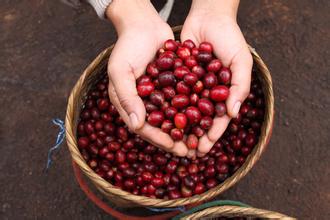
Distinguish coffee beans and the grading of coffee beans how to distinguish the quality of coffee beans coffee knowledge
● distinguishes the key names and specifications of coffee beans the name of the port of export of ● can tell the shipping route from the name of the port of exit marked. Coffee from the same origin or the same brand has a certain route, so it is also exported from the same port. For example, if it is marked "Brazil." "Santos" means that this is coffee exported from Santos, with the exception of those marked "mocha".

Description of Flavor of Coffee Bean producing countries in North America introduction of Grinding scale Manor in producing area
North American coffee bean producing countries describe the taste of coffee varieties in the region grinding scale manor introduction coffee in Central America began in the 18th century, this important economic product originated in Costa Rica, about 1840. Since Central America became independent from Spain in 1821, there has been a lot of war. Because Costa Rica was far away from Guatemala City, the capital of the Spanish colony at that time, it was not affected.

A variety of coffee producing areas around the world introduce coffee, soybeans and mother beans.
The origin of coffee-Brazil, the largest coffee producer, accounts for 1/3 of the world's coffee consumption and occupies a place in the global coffee market, although Brazil faces several times more natural disasters than other regions. but it has enough acreage to make up for it. There are many kinds of coffee here, but its industrial policy is abundant and cheap.

Fine coffee beans in Lutexiluo, western province of coffee producing area
Today, there are more than 100 varieties of coffee, but more than 100 kinds of coffee are all derived from Arabica coffee, Robbda coffee and Liberian coffee. they come from different countries as follows: Brazil edits this largest coffee producer, and all grades and types of coffee account for 1/3 of the global consumption and occupy a place in the global coffee market.

Top 10 Coffee Cities in the World
Photo: Huang Wei We can often see articles about coffee city rankings. No matter what the ranking standards are, and whether the rankings are acceptable to you or not, these rankings still have reference value. There is no doubt that the coffee atmosphere of the cities that can be listed must have characteristics. For those who love to travel and love coffee, go out of your hotel and find something special.

Coffee bean production area Wiki Valley
Coffee producing area Editor Coffee beans Coffee beans the most sensible and practical way to understand the countries that produce coffee is to classify them into the three major coffee growing areas in the world: Africa, Indonesia and Central and South America. Generally speaking, coffee grown in the vicinity has similar characteristics. If a particular bean is out of stock, the manufacturer and buyer of the comprehensive product will usually look for the nearby one.

Introduction to the characteristics of coffee flavor and taste varieties in Yinshan Manor of Jamaica Coffee
Safeguarding national sovereignty, attracting foreign investment and tourists, and opening up international markets are the main goals of its diplomatic work. We will actively develop unity and cooperation with Caribbean countries, actively participate in regional organizations such as the Caribbean Community and the Association of Caribbean States, and vigorously promote the process of regional integration. Give priority to developing relations with the United States and other major western developed countries, and strive to develop with Latin America, Asia and Africa
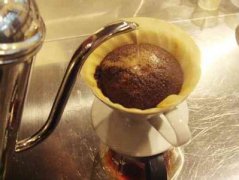
Basic knowledge of coffee beans which country produces coffee beans?
The main varieties of coffee beans are Arabica and Robasda. According to theory, as long as the countries and regions where coffee trees are grown can be grown, which country produces coffee beans? Today we will talk about which country produces coffee beans. Brazil (South America), the largest coffee producer, accounts for 1/3 of the global consumption of coffee of all grades and types.

Grade planning of coffee beans the difference between instant coffee and other coffee
Honduras (Central America) produces water-washed coffee beans in mountain areas, which is highly rated and is a good product of low-real estate coffee beans. Producing areas are: Santa Barbara, Gulanas, Komayagua, Cholutka and so on. Coffee beans from medium to large particles, with a soft taste. It is divided into 3 grades according to the altitude of the place of origin. The excellent varieties of Costa Rica (Central America) have strong taste.

Which country has the best coffee?
At present, there are many kinds of coffee beans imported from all over the world, which makes it impossible for people to choose. Here, we will introduce the main origin and characteristics of coffee beans as a reference for choosing coffee. Brazil (South America), the largest producer of coffee, accounts for one-third of global consumption of all grades and varieties of coffee, and has a place in the global coffee market, although Brazil faces many challenges.
The origin and suitable roasting degree of boutique coffee
At present, there are so many kinds of coffee beans imported from all over the world that there is no choice. Here we will introduce the main producing areas and the characteristics of coffee beans as a reference for the selection and purchase of coffee. ■ Brazil (South America), the largest coffee producer, accounts for 1/3 of the global consumption of coffee of all grades and types, and has a place in the global coffee market, although Brazil faces

What is the origin of coffee? the main producing areas and characteristics of coffee
Professional coffee knowledge exchange more information about coffee beans Please follow the coffee workshop (Wechat official account cafe_style) Coffee comes from the Greek Kaweh, meaning strength and enthusiasm. Coffee tree is a small evergreen tree of Rubiaceae. Coffee for daily drinking is made of coffee beans combined with various cooking utensils, and coffee beans refer to the nuts in the fruit of coffee trees.
Boutique Coffee Science talk about the origin of coffee
At present, there are so many kinds of coffee beans imported from all over the world that there is no choice. Here we will introduce the main producing areas and the characteristics of coffee beans as a reference for the selection and purchase of coffee. ■ Brazil (South America), the largest coffee producer, accounts for 1/3 of the global consumption of coffee of all grades and types, and has a place in the global coffee market, although Brazil
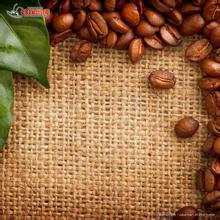
Introduction of varieties and quality of coffee beans from different producing areas
Colombia (South America), the second largest coffee industry after Brazil, is also the leader in the Colombian Maird Group (Colombia, Tanzania, Kenya). In addition, there are Asamard, Anwar Snow Arabica, Robusta). The more famous producing area "wheat"

Introduction to the flavor and taste of the delicious coffee from Cliff Manor, Jamaica
Exchanges and cooperation between the two countries in culture, education, journalism and other fields are progressing smoothly. China toothpick has a cultural agreement. Yangzhou Puppet Troupe, China acrobatic Troupe, China Tianjin Song and Dance Theater and Chongqing Art Troupe have visited Tooth for performances. The Tooth Song and Dance Troupe has visited and performed in China. The University of West India Mona has a Confucius Institute. In 2011, the Chinese people's Liberation Army Navy Peace Fang Zhou visited the hospital ship.

Cuban Coffee Bean Roasting Analysis What is special about Cuban wild coffee beans?
Professional coffee knowledge exchange More coffee bean information Please pay attention to the coffee workshop (Weixin Official Accounts cafe_style) Smoke slowly rises, the smoke has been indistinguishable from coffee or tobacco aroma, fusion is a special smell belonging to that country. Origin: Cuba. Flavor: Smooth and even taste, low acidity, light oatmeal sweetness and intense bitterness. Aroma: Obvious black vinegar

The Origin of Costa Rican Coffee Coffee
Costa Rican coffee is called extra hard beans, and this kind of coffee can grow at an altitude of more than 1500 meters. Altitude has always been a problem for coffee growers. The higher the altitude, the better the coffee beans, not only because the higher altitude can increase the acidity of the coffee beans and thus increase the flavor, but also because the night temperature at the higher altitude is lower, which makes the trees grow slowly, thus making the coffee.

A global coffee producer in Costa Rica.
Coffee was introduced into Costarica from Cuba in 1729. Today, its coffee industry is one of the most well-organized industries in the world. Costa Rica, with its fertile volcanic soil and good drainage, is the first country in Central America to grow coffee and bananas for commercial value. Coffee and bananas are the country's main exports. Coffee from Costa Rica

Flavor description of Arabica beans and Roberta coffee beans introduction to the origin of grinding scale varieties
Description of the flavor of Arabica beans and Roberta coffee beans small grain coffee is still the most important coffee variety, accounting for about 3% of the world's total coffee production. It is mainly grown in Latin American countries, but also partly in Indonesia and the Pacific islands. The geographical and climatic conditions of Brazil, the largest coffee producer in the world, are very suitable for the growth of small-grain coffee.